How to sell a flat or a house in Spain, step by step

In short
- Order: starting position, price, documents, buyer, arras, notary and taxes.
- Documents: nota simple, energy certificate, cédula where required, IBI and community certificate, before listing.
- Notary: unless agreed otherwise, the seller pays for the original deed and the buyer for the copy and registration.
- Taxes: municipal plusvalía within 30 working days; the gain in income tax, 19 to 30%; 3% withheld from a non-resident seller.
Contents

Selling a flat or a house in Spain almost always follows the same order: reviewing your starting position, setting the price, gathering the documents, finding a buyer, signing the arras, going to the notary and paying the taxes. Each stage depends on the one before, and delays usually come from something that was not prepared in time. This guide goes through the steps one by one, with what each requires.
Before you start
Before setting a price, review your starting position. If a mortgage is still outstanding, ask your bank for the redemption figure: it is paid off on the day of signing from the sale proceeds. If there are several owners, all of them must sign or grant a notarial power of attorney. If the home was inherited, the inheritance should be accepted and registered in your name before you look for a buyer. If it is let, the tenancy continues after the sale and the tenant may have a right of first refusal.
Price and documents
The asking price shapes everything else. Combine several references: the real sale prices published by the notaries on penotariado.com, similar homes still for sale in your area and the valuation of someone who visits the property. The Catastro reference value is used to calculate taxes and can differ from the market price. If the buyer takes out a mortgage, their bank will have the home valued, and a price well above that valuation makes the deal harder.
Prepare the paperwork before you advertise: the nota simple, the energy performance certificate (its label must appear in the listing), the cédula de habitabilidad or equivalent document if your region requires it, your purchase deed and the latest IBI receipt. For a flat, add the community's certificate of debts: the secretary must issue it within seven calendar days at most and, without it, the notary will not authorise the sale unless the buyer waives it.
Finding a buyer
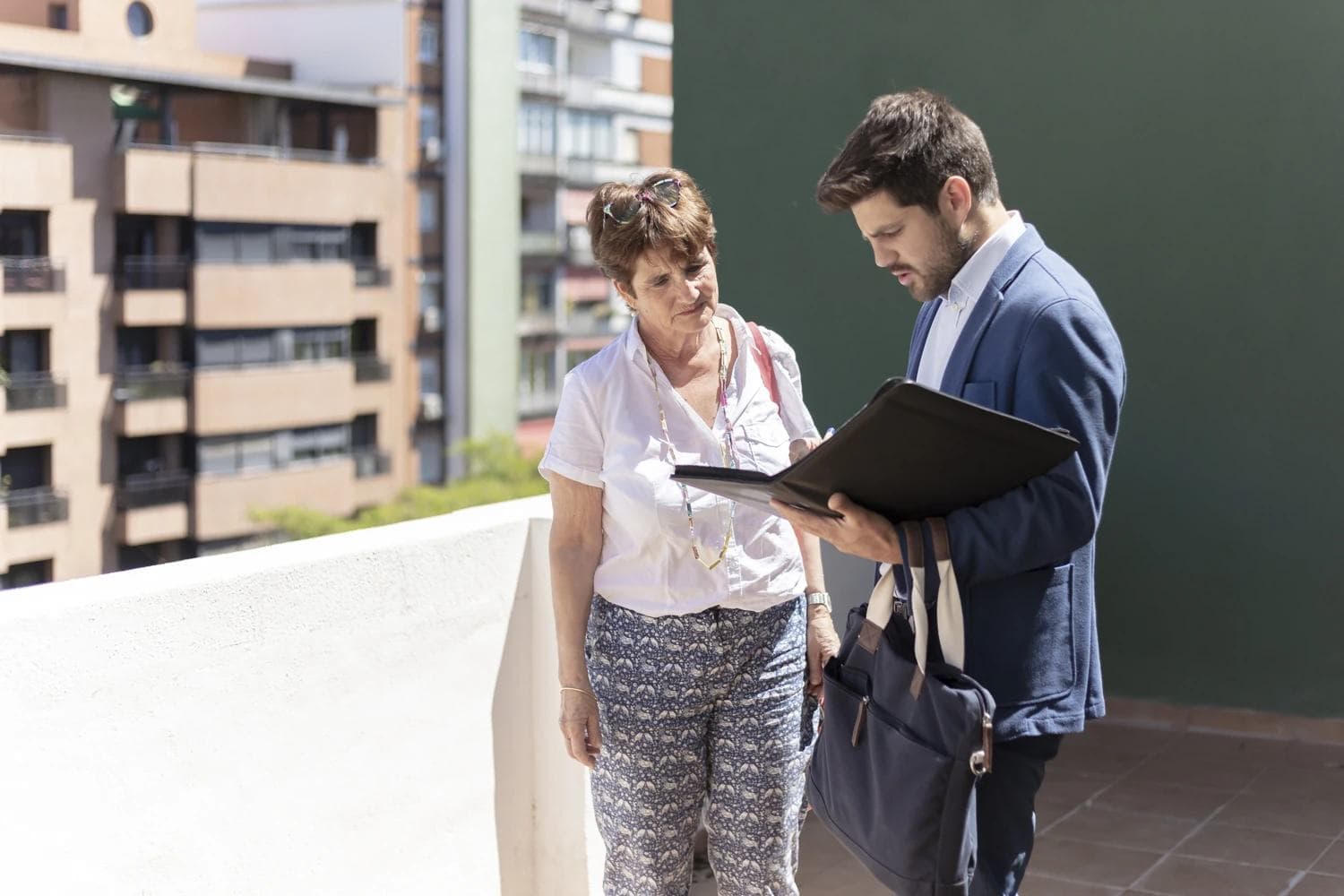
Then decide how to sell: on your own or with an agency. If you choose an agency, the listing agreement sets the commission, the duration, whether it is exclusive and what is included (photos, marketing, viewings, negotiation). Read those clauses before signing, especially the duration and what happens if you find the buyer yourself. Go to market with everything ready: good photos, a floor plan, areas, community fees and IBI, and a tidy home for viewings.
Ask at every viewing how the buyer will pay: someone paying cash, or whose mortgage has already been assessed by their bank, can sign sooner. When you accept an offer, the agreement is usually sealed with a contrato de arras and a deposit paid on account of the price. That contract sets the price, the deadline for the deed and what happens if either side pulls out: with arras penitenciales, a buyer who withdraws loses the deposit and a seller who withdraws pays it back twice over (article 1454 of the Spanish Civil Code).
From the arras to the notary
Between the arras and the notary, most of the work falls to the buyer and their bank. With a mortgage, the bank must give the buyer the offer and the draft contract at least ten calendar days before signing, and the buyer first sees the notary (Ley 5/2019). Meanwhile, you ask your bank for the debt certificate if a loan remains, obtain the community certificate and agree the notary and the date with the buyer.
On signing day, seller and buyer, or their attorneys, sign the public deed of sale (escritura pública de compraventa) before the notary. The price is paid at that moment, by banker's draft or bank transfer, and the deed records the method of payment. Unless agreed otherwise, the seller pays for the original deed and the buyer for the first copy and registration at the Registro (article 1455 of the Spanish Civil Code). The notary warns of any unpaid IBI, for which the home remains liable even after a change of owner. The keys are then handed over.
Taxes on the sale
The municipal plusvalía is declared within thirty working days and is not due if you can show that the land has not gained value. The capital gain, meaning what you receive minus what the home cost you, including expenses and improvements, is taxed in that year's income tax return in bands from 19 to 30%, unless an exemption applies, such as reinvesting in a new main home or selling your main home when you are over 65. For a non-resident seller, the buyer withholds 3% of the price as an advance on a 19% tax on the gain.
After the sale
A few formalities remain: transferring or cancelling the water, electricity and gas contracts, informing the community and sharing the year's IBI, which is owed by whoever owned the home on 1 January; how it is shared is agreed between the parties. At Alveo Properties we support you at every stage, from the free valuation by a local advisor to the signing, and you pay nothing upfront: the commission is paid when the sale is signed.


Our free seller's guide
Tax, paperwork, steps: answer 3 questions and it lands in your inbox.